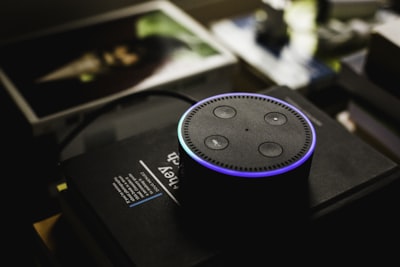
I’ll be transparent about something: I’ve automated more things in my apartment than any reasonable person should. I have smart plugs on lamps I could walk to in two seconds. My coffee maker starts based on my phone’s morning alarm. My lights have scenes for “working,” “gaming,” and “watching something.”
Some of this is genuinely useful. Some of it I set up and never thought about again. Some of it was a waste of money.
Here’s what I’d actually recommend versus what I think most people should skip.
Start With Smart Plugs. Seriously.
Every time I talk to someone about smart home stuff, they want to start with a voice assistant hub or a complex lighting system. I always give the same advice first: buy a 4-pack of TP-Link Kasa smart plugs and live with them for a month.
Smart plugs are the most underrated smart home upgrade because they require zero installation and work with literally anything that plugs into a wall. Put one on a floor lamp. Schedule it to turn off at midnight. Use your phone to turn it on when you walk in the door. Cost per plug: around $6.
This sounds boring. It’s also the thing I use every single day. I have nine Kasa smart plugs in my apartment and I couldn’t tell you the last time I thought about any of them — they just work and save me from walking across the room. That’s the goal.
Philips Hue — Yes It’s Expensive, Yes It’s Worth It
I delayed buying Hue for two years because the price felt hard to justify when cheaper alternatives exist. Eventually a $12 Zigbee bulb from a no-name brand bricked itself and I just bought Hue. I haven’t looked back.
The reliability gap is real. The response time is near-instant (you notice this when cheap bulbs lag). The bulbs work locally via the Bridge even when my internet is down. Color accuracy is noticeably better if you use the color bulbs. And I’ve had the same 8 bulbs running for over 3 years with zero failures.
The 4-pack starter kit includes the Bridge, which acts as the hub for your whole Hue setup. Once you have the Bridge, adding individual bulbs is simple and they’re backward compatible across generations. Start with the rooms you’re in most.
The Ecobee — The One That Actually Saves Money
I put off installing a smart thermostat for years on the basis that I’d just manually adjust the temperature. I was wrong and lazy about it.
The Ecobee paid for itself in about 10 months for me. It has schedule-based temperature control that I set once and haven’t touched, geofencing that drops the temperature automatically when I leave, and a room sensor that helped me figure out my bedroom runs 4 degrees warmer than the living room (which explained a lot).
Installation was about 25 minutes. The compatibility checker on their site is accurate. It works with HomeKit, Alexa, and Google which matters if you’ve already got devices in one of those ecosystems.
This is the smart home product I’d buy first if I was starting from scratch, purely on the financial argument.
Ecobee SmartThermostat Premium
~$219
The smart home device with the clearest financial case. Set it once, stop thinking about it, spend less on heating and cooling. Works with every major ecosystem.
Check Price on AmazonEcho Show 8 — More Useful Than I Expected
I bought the Echo Show 8 expecting to mainly use it as a clock that I could ask questions to. It ended up replacing the Bluetooth speaker I had in my kitchen, became my go-to for recipe walkthroughs (hands-free, screen at eye level), and handles video calls better than holding my phone up.
The built-in Zigbee and Matter hub is what pushed me to this specific model. Instead of buying a separate smart home hub, the Echo Show 8 handles that role, which saves you $60 and removes one device from the equation.
The speaker quality is legitimately good for a kitchen device. Not hi-fi, but better than I expected from something that costs $149.
What I’d Skip
Generic brand smart cameras: The $25 indoor cameras work, but the privacy tradeoffs are murky. Who’s storing your footage? On what servers? Under what retention policy? If you want indoor cameras, spend more and get something with local storage.
Smart light switches in shared spaces: If anyone in your home will flip the physical switch on a “smart” wall switch, you’ll end up with a light that’s stuck in whatever state the switch is in and won’t respond to voice or app commands until someone physically toggles it back. This caused me more annoyance than any smart home product I’ve owned.
Hub-dependent systems from companies with uncertain futures: I won’t name names but there are smart home ecosystems where the company’s long-term viability is genuinely questionable. Stick with Philips, TP-Link, Amazon, Google, and Ecobee — established players who aren’t disappearing in 18 months.
The Actual Recommendation Order
If I was setting up a new place from scratch:
- TP-Link Kasa smart plugs on lamps and appliances
- Ecobee thermostat (if you own your place or your landlord is chill)
- Philips Hue in the one or two rooms you spend most time in
- Echo Show 8 in the kitchen as a hub and speaker
That setup costs around $400-500 total and covers basically everything that’s actually useful in daily life. Everything beyond that is diminishing returns and optional rabbit-holing.
Affiliate links used throughout. See the disclosure page for full details.